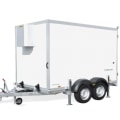
A cooling system is designed to keep the temperature of a box between 34 and 38. If you want it to keep things frozen, it's typical of a different unit. Standard refrigerators are designed to maintain temperatures between -17°C and 10°C for proper cold chain transport. However, they can cool down to -150°C for cryogenic transport. For those in need of Ice Trailer Rental near St. Stephen SC, there are options available for proper cold chain transport. A cooling system is designed to keep the temperature of a box between 34 and 38. If you want it to keep things frozen, it's typical of a different unit. Standard refrigerators are designed to maintain temperatures between -17°C and 10°C for proper cold chain transport. However, they can cool down to -150°C for cryogenic transport. For those in need of Ice Trailer Rental near St. Stephen SC, there are options available for proper cold chain transport.
Stephen SC, there are options available for proper cold chain transport. Stephen SC, there are options available for proper cold chain transport. Stephen SC, there are options available for proper cold chain transport. Stephen SC, there are options available for proper cold storage and transport. Stephen SC, there are options available for proper cold chain transport. Stephen SC, there are options available for proper cold chain transport. Stephen SC, we offer top-of-the-line refrigerated trailers that can maintain temperatures as low as -150°C for all your cryogenic transport needs. Stephen SC, there are options available for proper cold chain transport. Stephen SC, our cooling system can provide temperatures as low as -150°C for cryogenic transport. Stephen SC can provide refrigerated trailers that can maintain a wide temperature range for various types of cargo. Most transportation refrigeration units can keep their cargo area as cold as -20°F (-29°C), which is enough to carry frozen products. They can also be configured to maintain cool temperatures or even heat up, if necessary, to prevent products from getting too cold. In addition, some trailers consist of several temperature zones, allowing you to carry different types of cargo within the same trailer. Refrigerated trailers are designed to be as strong and lightweight as possible, so you can carry the maximum product in the cold chain without exceeding the federal GVWR (80,000 pounds for twin axles or 90,000 pounds if you have a third axis).
A GPS tracker that can also monitor and record the temperature of the trailer load is the ideal solution and allows trailers to be properly secured while protecting the cargo against theft or damage. The flexibility of the trailer cooling unit allows for the safe transport of products that require temperatures ranging from freezing to 26.7 °C (80 °F). Refrigerated trailers are typically 53 feet long and have insulated roofs, doors, floors and walls and have a front-mounted refrigerator. Known in the industry as “refrigerators” (a derivative of the term “refrigerator”), these trailers place diesel-powered refrigeration units in the front to maintain the adequate amount of cold.
The use of an alert system with a door sensor allows drivers and managers to be alert when refrigerated trailer doors are open for a long time. Nowadays, you'll even find trailers equipped with tracking systems that automatically record time and temperature for auditing purposes. Refrigerated trailers for distribution purposes can come in smaller sizes, up to 28 feet, also known as puppy trailers. You can quickly view the fleet in real time using GPS tracking software and monitor the temperature on the map of each trailer or vehicle, as well as obtain detailed records of the temperature of the refrigerated containers.
Many fleets use refrigerated trailer temperature loggers or trailer temperature monitoring systems to ensure they deliver their products in ideal environments and meet requirements. Refrigerators are equipped with a closed cooling system designed to remove heat from a trailer in order to maintain the temperature of the product during transport. A refrigerated trailer is an insulated, temperature-controlled trailer equipped with a transport refrigeration unit, specifically designed to carry temperature-sensitive goods. The TRU circulates cold air throughout the insulated trailer, allowing precise temperature control both for a single temperature (when the entire unit has the same set point) and for multiple temperatures (where insulated bulkheads separate the trailer into areas that can be adjusted at different setting temperatures).