A typical refrigerated fuel tank can hold up to 50 gallons, while larger wagons can have tanks with a capacity of up to 200 gallons. Depending on several elements, such as the operating mode, the type of trailer load, and the ambient air temperature, the fuel consumption rate of most refrigerated tanks ranges from 0.4 to 1.1 gallons per hour. In some cases, daily refilling may be necessary, although this may take up to two or three days, depending on the climate and internal temperature. Modern refrigerated units use between 0.4 and 1.1 gallons of diesel per hour of engine operation.
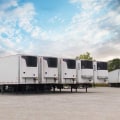
In automatic mode, the engine runs a fraction of the time the unit is on, so hourly fuel consumption will be on the lower end of the estimate. Many temperature-controlled trailers even have delivery requirements that demand continuous operation for product loads. From the outside, a refrigerated trailer looks similar to that of a 53-foot dry van, but is designed to control the climate. To operate a refrigerated truck safely, the driver or owner of a fleet must understand the main components of a refrigerated trailer and the basic aspects of your refrigeration cycle.
The refrigerated unit requires fuel to keep the cooling system running and maintain the cool environment necessary for charging. For example, grocery distributors use temperature-controlled trailers to transport fruits and vegetables from farms to supermarkets, keeping them fresh while traveling. After delivery, inspect the trailer for spills or debris and do a quick clean up, especially if you're picking up another load soon. Thanks to microprocessor controllers, modern trailer cooling systems are designed to be intuitive and easy to operate.
Most temperature-controlled trailers operate in a range of -10°F to 60°F for common loads, such as frozen food on the cold side and agricultural products or pharmaceuticals on the warmer side. The most common are single-temperature refrigerators, which maintain a uniform temperature throughout the trailer, making them ideal for transporting a full load of products that require the same climate (for example, a load of ice cream frozen at -20°F or a load of fresh apples at 34°F). Many drivers take a lap in the middle of the trip, listening to the unusual sounds that come from the unit and verifying that the temperature of the trailer remains stable. A refrigerated unit in a truck means that it is necessary to divert attention not only to one, but to two fuel tanks: one for the vehicle and one for the refrigerated tank.
The term “refrigerated fuel” is often used to differentiate between the diesel fuel used for the truck's engine and the fuel used for the refrigerated unit, but chemically they are the same thing. Whether you're an experienced trucker or a new owner-operator, understanding what a refrigerated trailer is and how to use this equipment is essential for transporting perishable cargo cost-effectively. Keeping everyone informed helps maintain the cold chain (for example, a dispatcher could reschedule a delivery appointment so you don't have to wait longer with a loaded trailer). Most refrigerated units are designed to operate efficiently for up to a couple of days with a full tank under normal conditions, but it is recommended that drivers or fleet managers closely monitor fuel levels and establish a fueling routine depending on of your specific operating circumstances.