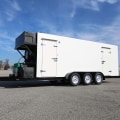
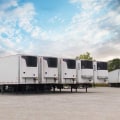
Renting is generally more cost-effective for infrequent users or those with limited budgets, while owning a landlord becomes increasingly affordable for frequent users who. When comparing the costs of renting and owning trailers, it's important to consider the short- and long-term financial implications. Renting is often more profitable for infrequent users or those with limited budgets, while owning is increasingly economical for frequent users, who can amortize the initial investment in many uses. Renting a trailer offers more flexibility than ownership, which can be a significant advantage for heavy haulers whose workload or transportation needs vary. Renting allows you to choose the right type of trailer for each specific job, so you don't have to turn down jobs and lose money.
It's also a great option for those doing odd jobs, as it requires a lower initial financial commitment. For many people, it's probably better to rent a trailer than to buy one. However, there may be certain situations where buying a trailer is more suitable for you. Are you wondering what choice to make? Here are some things to consider before making a decision. However, if you need a carriage for an event, it's best to rent it.
The price of renting the trailer can include all costs, making it a better proposition than owning the unit. For example, if you only need a trailer a few times a year for relatively short periods, renting makes more sense. If you need transportation for a commercial company, it's best that you own the unit rather than rent it. Renting a unit may involve return and late payment charges, insurance costs, and deductible charges for use and wear and tear.
In addition to choosing the right type of metal material for trailers, you also have to choose between renting or renting a trailer from a neighbor. Not only do you save money, but you also build local networks, turning inactive equipment into a shared resource. Renting is good in terms of low initial commitment, but may be less convenient due to limited programming and the need to book in advance. The peer-to-peer trailer rental model connects trailer owners with renters through mobile apps, where landlords can monetize inactive equipment found in driveways or barns, while tenants access affordable transportation solutions.
Consider your situation, compare and contrast between owning a trailer and renting one, and then determine which options are best suited to your transportation needs. A construction company, for example, can rent a specialized trailer for a one-time project instead of buying one that will remain idle most of the year. The convenience of renting trailers to transport and own depends on your specific needs and how often you need a trailer. A contractor in Texas, for example, can rent a utility trailer for a weekend job, saving thousands of dollars compared to buying.
The cargo trailer rental market adapts to this variety and offers everything from small utility trailers for personal tasks to large cargo trailers for commercial projects. That said, you become the owner of the unit, which is the biggest advantage of buying a trailer instead of renting it.